A luxury fashion website can be visually striking and still feel ordinary. Large campaign images, cinematic transitions, and unconventional navigation can attract attention, but they cannot create a premium experience by themselves. Successful luxury fashion website design brings visual direction, content, and practical functions together around a clear understanding of the brand.
Strong luxury fashion website design starts with an accurate understanding of the brand. The site needs to communicate more than the products available for sale. It should reveal how the brand thinks and what it values. That perspective needs to remain visible from the first campaign image to the final checkout screen.
Premium Design Begins With a Coherent Point of View
Designers often turn to oversized typography, slow animation, muted colors, and dramatic photography when they want a website to appear premium. These choices can be effective, but only when they reflect the brand’s actual character rather than a borrowed idea of luxury.
The visual logic established on the homepage should remain recognizable across collection pages, product pages, mobile screens, the cart, and checkout. If the homepage feels highly art-directed but the ecommerce experience looks generic, the sense of quality quickly disappears.
This is especially important in web design for fashion brands, where identity and commercial usability must work together. The site needs to preserve the brand’s atmosphere while keeping essential product, sizing, delivery, and return information easy to find.
Restraint Creates Visual Confidence
Restraint in luxury fashion website design does not mean that every premium website must be minimal. It means recognizing when another visual element would distract from the product instead of improving the page.
A transition can connect two sections, but it becomes frustrating when it slows navigation. A large image can establish mood, yet it loses impact when overused. A confident visual identity is often shaped by the elements a designer chooses to leave out.
Why Negative Space Matters
In premium website design, negative space is not empty space waiting to be filled. It clarifies the hierarchy and prevents strong imagery from competing with surrounding elements.
A restrained color palette works in a similar way. When background colors, buttons, and interface elements are used consistently, the garments and campaign photography receive more attention.
Typography and Imagery Shape Perception
Typography often communicates luxury before the visitor reads a complete sentence. A high-contrast serif may suggest heritage, while a geometric sans serif can express precision and modernity. Experimental type can suit an avant-garde label, while a quieter system may better serve a brand focused on materials and construction.
Effective luxury fashion website design distinguishes between expressive typography and functional information. Campaign headlines can carry personality, but product descriptions, filters, size guides, delivery details, and checkout labels must remain easy to read.
Campaign Images and Product Images Have Different Jobs
Campaign imagery introduces the mood and cultural context of a collection. Product photography has another purpose: it must show the garment’s shape, construction, color, and material texture clearly enough for customers to evaluate it.
Strong editorial ecommerce design gives campaign and product imagery distinct roles while allowing them to support the same journey. A well-planned sequence may begin with atmosphere and gradually reveal the information customers need to assess the product.
Storytelling Must Support Product Discovery
A memorable fashion website does more than present a brand. It helps visitors understand the culture, references, and attitude behind the collection. That story may emerge through collection sequencing, photography, production details, the founder’s perspective, or the references behind a campaign.
In luxury fashion website design, storytelling feels convincing when its influence extends beyond campaign copy and shapes the imagery, page structure, and pace of the site. Adding more campaign copy or video is not enough on its own. Customers should be able to explore the narrative without losing a clear route to the collection.
A Practical Fashion Example
Consider a fashion label launching a collection inspired by coastal architecture. A superficial website might place a cinematic film of concrete buildings and ocean light on the homepage, then leave the rest of the shopping experience unchanged.
A stronger execution would carry the architectural reference into the grid, image crops, typography, colors, and page rhythm. Product photographs might use strong vertical framing, while the spacing between sections could echo the calm, open character of the reference. The story would remain visible throughout the site without making the collection harder to browse.
In this kind of execution, editorial ecommerce design connects the collection’s concept with the practical shopping journey. Storytelling creates context, but the path to product information and purchase remains direct.
Strong Fashion Website UX Reduces Friction
Even a complex ecommerce system can feel straightforward when navigation, product information, and checkout follow a predictable logic. Visitors may be inspired by a campaign, but they still need clear answers about fit, materials, stock, delivery, and returns.
When sizing or return information is difficult to find, visual polish no longer compensates for the friction. Good fashion website UX places those answers where customers are most likely to need them, especially on product pages and during checkout.
Editorial Layouts Still Need Clarity
Navigation can be unconventional without leaving visitors unsure of where to go next. Product pages can use editorial layouts as long as essential details remain easy to locate. By the time customers reach checkout, clarity and speed should take priority over visual experimentation.
This balance is one of the main challenges in web design for fashion brands: preserving a distinctive identity while keeping the customer journey clear and intuitive. Effective luxury fashion website design allows art direction to shape the experience without obscuring navigation, product information, or purchase controls.
Digital Luxury Must Work Beyond the Desktop
Motion Should Have a Purpose
Motion can add rhythm, reinforce hierarchy, and support storytelling. However, when animation delays navigation or competes with the product, it stops supporting the design and starts frustrating the visitor.
In premium website design, animation should follow a consistent logic. A transition that feels elegant once may become tiring when repeated on every page. Motion is useful when it helps visitors understand what has changed or confirms that an action has been completed.
Mobile Is Not a Smaller Desktop Site
Mobile layouts are often reduced to a simple stack of desktop content. During that conversion, the spacing, image relationships, and rhythm that gave the desktop site its character are often lost.
Luxury fashion website design should account for mobile behavior from the beginning. Image crops, type scale, content order, and touch interactions need to be reconsidered for smaller screens. The mobile experience may be more direct, but it should still feel like the same brand.
Performance Is Part of Perceived Quality
Visitors notice poor performance immediately, even when they do not understand the technical cause. Slow loading, layout shifts, and unresponsive controls make a polished interface feel unreliable.
Image sizes, video formats, custom fonts, and animation methods all affect how quickly and reliably the site responds. These decisions belong alongside the visual design, not in a technical cleanup just before launch. When pages load quickly and controls respond as expected, customers can focus on the products rather than the technology behind the site.
Editorial and Ecommerce Design Must Feel Connected
A common weakness in fashion websites is the gap between storytelling and shopping. Campaign pages feel distinctive, while category pages, product screens, and checkout seem to belong to another company.
Editorial ecommerce design works best when the campaign’s visual language continues into product discovery and purchase. Aalix Studio’s Digital Design expertise focuses on creating digital experiences in which visual identity, interface design, and user experience work as one connected system.

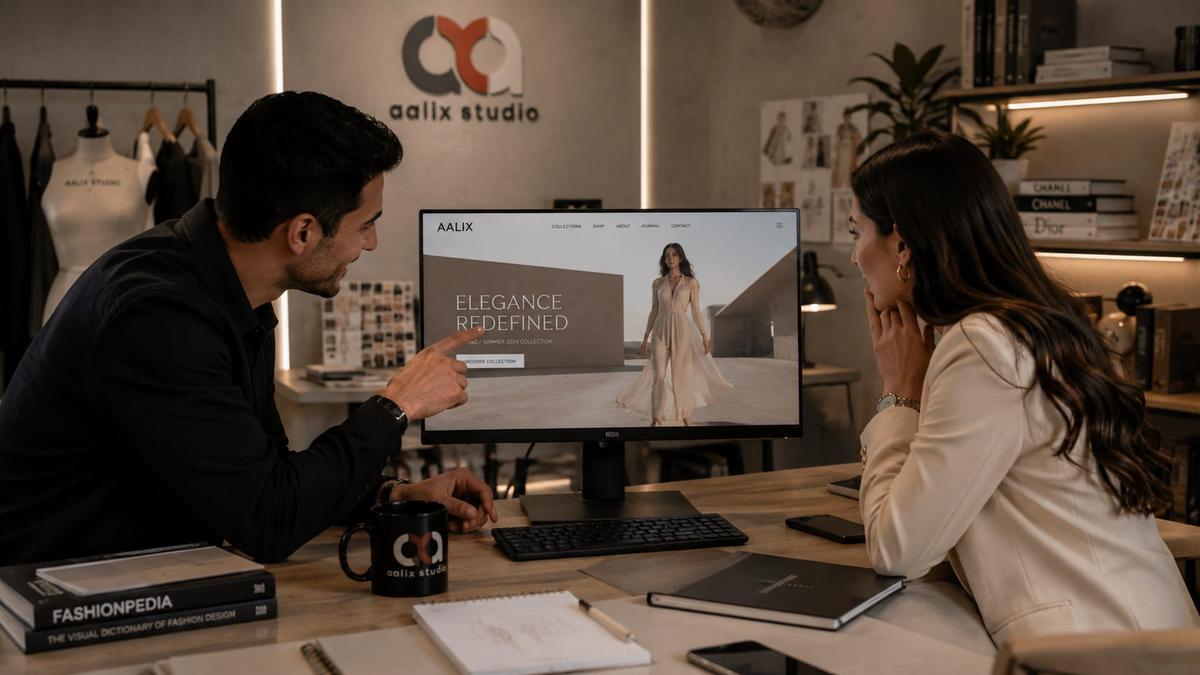
Transactional screens do not need to be theatrical, but they should still feel connected to the brand.
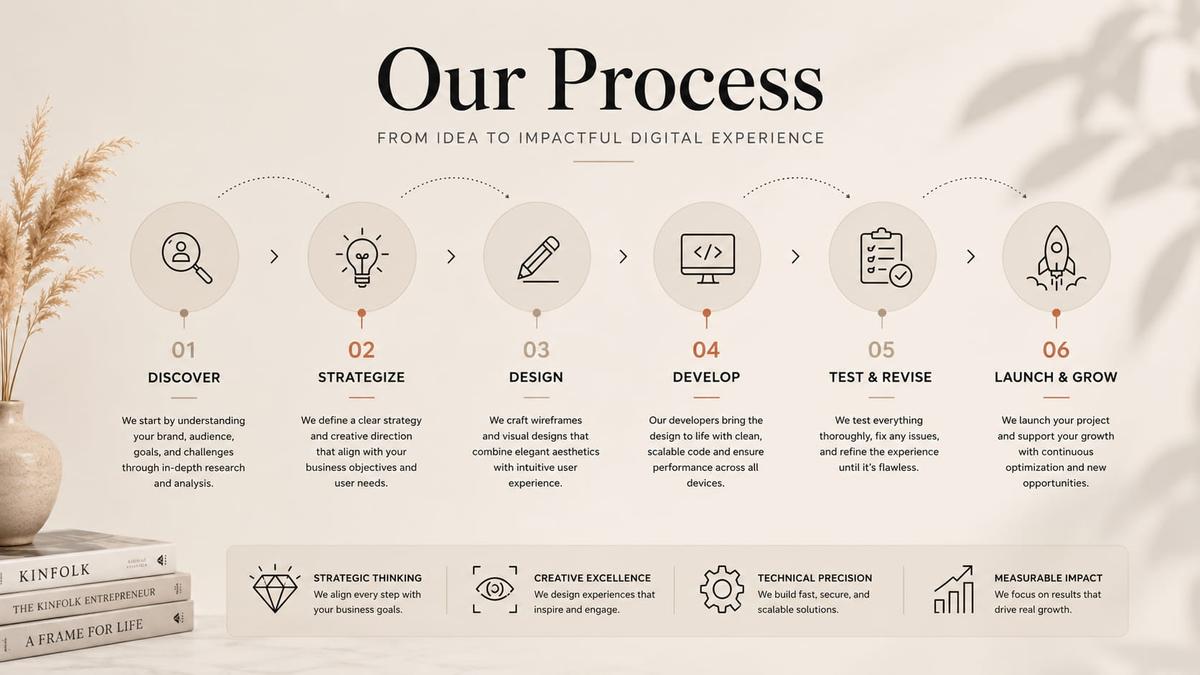
The same emphasis on research and refinement appears in Aalix Studio’s article on the fashion design process. In both disciplines, early decisions about direction, structure, and audience shape what can be achieved during execution.
Premium Design Must Be Specific to the Brand
Serif typography, monochrome palettes, large photography, and minimal navigation are often associated with luxury. Used without a clear strategy, however, they create sameness rather than distinction.
A heritage tailoring house, an experimental label, and a contemporary accessories brand should not end up with the same visual formula. Effective web design for fashion brands recognizes that luxury cannot be reduced to one aesthetic.
The most convincing luxury fashion websites feel unmistakably connected to the labels behind them. Their character comes from each brand’s history, products, customers, and creative perspective rather than from a collection of familiar luxury effects.

Luxury Fashion Website Design FAQ
What makes a luxury fashion website feel premium?
A luxury fashion website feels premium when clear art direction, consistent branding, refined typography, strong imagery, and thoughtful fashion website UX work as one connected system. The experience should remain recognizable and effortless from the homepage and collection pages through to checkout.
Are animations essential for a luxury fashion website?
No. Animation is not essential to luxury fashion website design. Motion should support navigation, hierarchy, or storytelling rather than exist only as decoration. Excessive animation can slow the website, interrupt product discovery, and distract customers from the collection.
Why is mobile design important for fashion brands?
Customers frequently discover and browse fashion brands on mobile devices. The mobile experience must preserve the brand’s visual identity while making product imagery, sizing information, navigation, and checkout easy to use. Mobile should be considered from the beginning rather than treated as a reduced desktop layout.
How does storytelling support fashion ecommerce?
Storytelling gives customers emotional and cultural context for a collection. Editorial ecommerce design can introduce the references, values, materials, or creative direction behind the products, while clear product pages provide the practical information customers need to make a confident purchase.
What matters after a luxury fashion website launches?
A premium website requires continuous refinement after launch. Performance monitoring, usability testing, analytics, content updates, and technical maintenance help the website remain fast, relevant, reliable, and aligned with the evolving needs of the brand and its customers.
Building a Truly Premium Luxury Fashion Website
The quality of luxury fashion website design becomes clear when its attention to detail continues beyond the homepage. Visual ambition matters, but it becomes credible only when the site also works reliably and gives customers the information they need.
In practice, a restrained website with a clear point of view often communicates quality more convincingly than one crowded with familiar luxury effects. The goal is not to make every page dramatic. It is to create a digital environment in which art direction, usability, storytelling, and commerce support the same brand identity.
Brands planning a new fashion website can explore Aalix Studio’s digital design approach to see how visual identity and user experience can be developed together.